
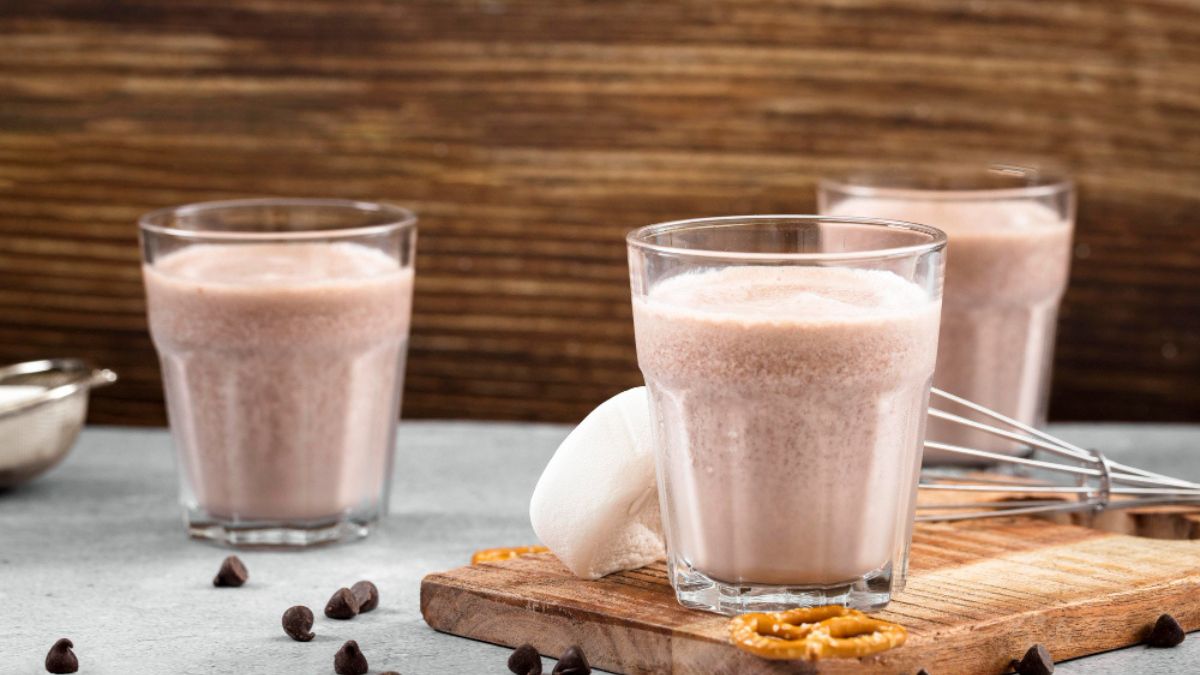
Alani Protein Shake, In the bustling, ever-expanding world of protein supplements, it’s easy to get lost in a sea of tubs and ready-to-drink (RTD) bottles. Brands come and go, touting miraculous formulas and celebrity endorsements. Among this cacophony, Alani Nu has emerged not just as another player, but as a cultural phenomenon, particularly within the fitness and wellness communities. Its vibrant, aesthetic packaging is instantly recognizable, but what lies beneath that sleek bottle? Is the Alani Nu protein shake a legitimate tool for health and fitness, or is it just clever marketing?
Part 1: The Alani Protein Shake Ecosystem – More Than a Shake
To understand the protein shake, it helps to understand the brand. Founded in 2018 by Katy Hearn, Alani Nu positioned itself in the “clean” supplement space, emphasizing transparency, women-focused branding (though used by all genders), and products free from the “proprietary blends” that obscure ingredient amounts. This philosophy of “Know What’s In Your Nu” resonates strongly with a generation of consumers who are label-literate and skeptical of traditional, overly complex supplement marketing.
The protein shake, specifically their ready-to-drink “Alani Protein Shake” (20g of protein) and the newer “High Protein Shake” (35g of protein), sits within a larger ecosystem of pre-workouts, vitamins, and energy drinks. This context is crucial—it’s a product designed for the active, health-conscious individual who values convenience without wanting to sacrifice label quality.
Part 2: Nutritional Breakdown – What Are You Actually Drinking?
Let’s get to the core. We’ll focus on the two flagship RTD shakes.
Alani Nu Protein Shake (20g version – e.g., Chocolate Donut flavor):
-
Calories: 200
-
Total Fat: 7g
-
Carbohydrates: 9g (Dietary Fiber: 2g, Sugars: 2g, Includes 2g Added Sugars)
-
Protein: 20g (from Milk Protein Isolate and Whey Protein Isolate)
-
Key Micronutrients: A significant selling point. Often provides 50% or more of the Daily Value for Calcium, Vitamin D, Iron, Phosphorus, and a substantial B-Vitamin complex (B6, B12, Folate).
Alani Nu High Protein Shake (35g version – e.g., Cookies & Cream):
-
Calories: 330
-
Total Fat: 12g
-
Carbohydrates: 12g (Dietary Fiber: 2g, Sugars: 4g, Includes 4g Added Sugars)
-
Protein: 35g (from Milk Protein Isolate and Calcium Caseinate)
-
Key Micronutrients: Similar robust profile, with even higher levels of certain minerals like Calcium.
Immediate Analysis:
-
High-Quality Protein Source: Both use isolates (Milk Protein Isolate, Whey Protein Isolate). Isolates are filtered to remove most of the fat and lactose, resulting in a protein that is typically 90%+ pure protein by weight. This is a premium source, rapidly absorbed and rich in essential amino acids, especially leucine, which is critical for muscle protein synthesis.
-
Low Sugar, No Artificial Sweeteners (in most): The sugar content is remarkably low (2-4g), a major differentiator from many grocery-store RTD shakes. They primarily use natural sweeteners like Stevia Leaf Extract and Monk Fruit Extract. Some flavors of the 20g line may use a small amount of sugar.
-
Enriched with Vitamins & Minerals: This isn’t just a protein source. It’s fortified to act as a nutrient-dense meal or snack replacement, addressing common gaps (like Vitamin D and Iron, especially relevant for active women).
-
Moderate Calories & Macros: The macros are balanced, not extreme. The 20g version fits well as a snack or post-workout, while the 35g version is a more substantial meal replacement.
Part 3: The Ingredient Deep Dive – Science and Sourcing
A. The Protein Trio:
-
Whey Protein Isolate: The gold standard for fast-digesting protein. Ideal post-workout to flood muscles with amino acids for repair and growth.
-
Milk Protein Isolate: A blend of roughly 80% casein and 20% whey. It offers a more sustained release of amino acids compared to pure whey.
-
Calcium Caseinate (in High Protein): A slow-digesting protein. When combined with faster proteins, it can provide a prolonged amino acid release, potentially enhancing muscle recovery over several hours and increasing satiety.
-
Verdict: The protein blend is sophisticated and purposeful, catering to both immediate and extended recovery needs.
-
B. The Sweetener System:
-
Stevia & Monk Fruit: Natural, zero-calorie sweeteners derived from plants. They allow for a sweet taste without spiking blood sugar or adding calories. Some people detect a slight aftertaste with stevia, which Alani Nu attempts to balance with monk fruit.
-
Minimal Added Sugar: The small amount of cane sugar in some formulas likely aids in mouthfeel and palatability, offsetting any potential bitterness from the high-quality protein or natural sweeteners.
C. The Functional Additions:
-
Digestive Enzymes (Papain, Bromelain): Added to the 35g shake, these enzymes (from papaya and pineapple) may help break down protein and improve digestion, a smart inclusion given the high 35g protein dose.
-
Vitamin/Mineral Mix: Not an afterthought. The levels are clinically significant. For example, 50% DV of Iron in a bioavailable form is a genuine benefit for many.
-
Sunflower Lecithin: An emulsifier that helps mix the ingredients smoothly and prevents separation. It’s a common, generally well-tolerated ingredient.
-
Gum Blend (Cellulose, Xanthan, etc.): Used for texture and thickness, creating the “shake” consistency rather than a watery drink.
What’s NOT Inside: No artificial colors (using things like beet juice concentrate for color), no artificial sweeteners (aspartame, sucralose), and no proprietary blends that hide amounts.
Part 4: Potential Health & Fitness Benefits of Alani Protein Shake
When integrated thoughtfully into a diet, the Alani Nu shake can offer several benefits:
-
Muscle Support & Recovery: The high-quality, high-leucine protein blend is excellent for stimulating muscle protein synthesis, aiding in repair after resistance training, and supporting muscle maintenance during fat loss phases.
-
Convenient Nutrition for Busy Lifestyles: The RTD format is unbeatable for convenience. It provides a balanced, portion-controlled source of protein and essential nutrients when you’re on the go.
-
Weight Management Tool: The high protein content promotes satiety (feeling full), which can help reduce overall calorie intake. The low sugar content prevents the insulin spikes associated with hunger and fat storage.
-
Nutrient Gap Insurance: For those with dietary restrictions, poor appetites, or highly active lifestyles, the fortified vitamins and minerals can help ensure adequate intake of crucial nutrients like Vitamin D, Calcium, and B-Vitamins.
-
A “Cleaner” Alternative: For consumers avoiding artificial ingredients, it provides a palatable, low-sugar option in a market saturated with chemically-heavy products.
Part 5: Considerations, Drawbacks, and Who Might Want to Avoid It
No product is perfect for everyone. Critical considerations include:
-
Price Point: At $3.50 – $4.50 per bottle, it’s a premium product. This cost can add up quickly compared to powdered protein.
-
Dairy-Based: It is not suitable for those with a dairy allergy (milk protein) or severe lactose intolerance. While isolates are very low in lactose, some sensitive individuals may still react.
-
Natural Sweetener Taste: The stevia/monk fruit taste is distinct. If you dislike natural sweeteners, you will likely dislike this shake.
-
Not a Whole Food: It is a processed supplement. It should complement a diet rich in whole foods—lean meats, fish, eggs, legumes, vegetables—not replace them entirely.
-
The “Health Halo” Effect: The attractive packaging and “clean” branding can lead to overconsumption. Remember, it’s still a calorie-dense supplement. Drinking multiple a day without adjusting food intake can lead to weight gain.
-
Limited Dietary Suitability: Not vegan, not paleo (due to dairy and sweeteners), not ideal for a strict Whole30 or elimination diet.
Part 6: How to Integrate It Into Your Routine (If You Choose To)
Think of it as a tool, not a magic potion.
-
Post-Workout: The 20g shake is ideal within 30-60 minutes after training for quick nutrition.
-
Meal Replacement: The 35g Alani Protein Shake can work as a controlled-calorie breakfast or lunch when you’re in a rush. Pair it with a piece of fruit or a handful of nuts to add fiber and more whole-food nutrients.
-
High-Protein Snack: Use the 20g version to curb hunger between meals and hit daily protein targets.
-
Travel Companion: Its stability and convenience make it perfect for airports, road trips, or post-gym when you can’t get home.
Part 7: The Verdict – Is the Alani Protein Shake Right For You?
Consider Alani Nu if:
-
You prioritize convenience and need a grab-and-go protein source.
-
You read labels and value transparent, “cleaner” ingredient lists without artificial junk.
-
You struggle to hit your daily protein targets through food alone.
-
You want a low-sugar, vitamin-fortified option.
-
The taste profile (and the specific flavors) appeals to you.
-
The cost fits within your supplement budget.
Look Elsewhere if:
-
You are on a strict budget (powdered protein is far more economical per serving).
-
You have a dairy allergy or severe lactose sensitivity.
-
You vehemently dislike the taste of stevia or monk fruit.
-
You follow a vegan or dairy-free diet.
-
You prefer completely unprocessed, whole-food sources of nutrition.
Final Thoughts: Beyond the Aesthetic
The Alani protein shake succeeds because it effectively bridges a gap in the market. It offers a legitimately high-quality, science-backed formula in a convenient, aesthetically pleasing, and transparent package. It is more than just hype. For its target audience, it delivers on its promises: high-quality protein, low sugar, added nutritional value, and no artificial baggage.
However, it is not an essential elixir. Your health and fitness goals can absolutely be achieved without it, using whole foods and potentially more cost-effective powders. But if the specific benefits of convenience, label transparency, and nutritional fortification align with your needs and values, and the cost is not a barrier, the Alani Nu protein shake can be a very effective and satisfying tool in your wellness arsenal.
Ultimately, the healthiest choice is the one that is sustainable, enjoyable, and supports your individual journey. Whether that includes a vibrantly colored bottle from Alani Nu is a decision only you can make—now, hopefully, with a lot more information in hand.