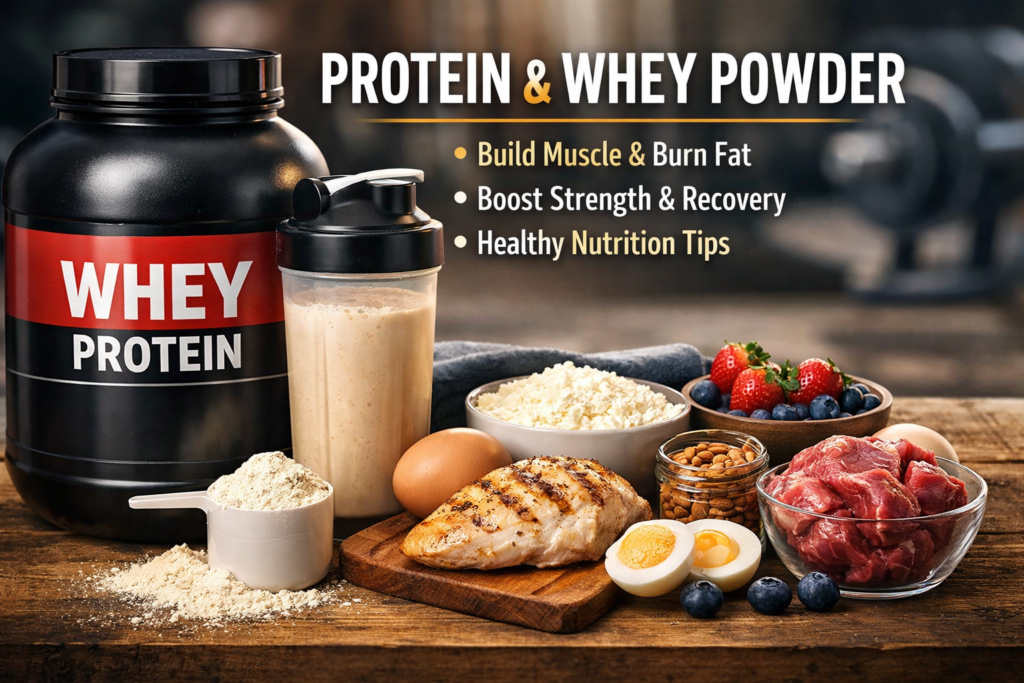
Walk into any gym, health store, or nutrition website today, and you’ll hear one word everywhere: protein. From bodybuilders to office workers, from athletes to busy moms, everyone seems to be adding protein shakes to their daily routine.
But what exactly is protein? Why is whey powder so popular? Is it safe? And do you really need it if you’re not a bodybuilder?
This comprehensive guide will break down everything you need to know about protein and whey powder, including benefits, types, myths, side effects, how to use it, and whether it’s worth adding to your diet.
What Is Protein? Understanding the Basics
Protein is one of the three macronutrients (along with carbohydrates and fats) that your body needs to function properly. It is made up of amino acids, often called the building blocks of life.
Your body uses protein for:
Building and repairing muscles
Producing enzymes and hormones
Supporting immune function
Maintaining skin, hair, and nails
Supporting bones and tissues
Without enough protein, your body cannot repair itself properly, and muscle loss, weakness, and fatigue can occur.
What Is Whey Protein Powder?
Whey protein is a high-quality protein derived from milk. When milk is processed to make cheese, whey is the liquid byproduct. This liquid is filtered and dried to create whey protein powder.
Whey protein is considered a complete protein, meaning it contains all nine essential amino acids that the human body cannot produce on its own.
Types of Whey Protein Powder
Not all whey protein is the same. There are three main types:
1. Whey Protein Concentrate (WPC)
Contains 70–80% protein
Has some fat and lactose
Usually the most affordable
Good for beginners
2. Whey Protein Isolate (WPI)
Contains 90%+ protein
Low in fat and lactose
Better for lactose-intolerant individuals
More expensive but purer
3. Whey Protein Hydrolysate (WPH)
Pre-digested protein
Fastest absorption
Often used in medical and clinical nutrition
Most expensive and sometimes bitter in taste
Health Benefits of Protein and Whey Powder
1. Muscle Growth and Recovery
Protein is essential for muscle repair and growth. After exercise, your muscles experience microscopic tears. Protein helps rebuild them stronger, leading to muscle gain.
Whey protein is especially effective because it is fast-digesting and rich in BCAAs (branched-chain amino acids).
2. Weight Loss and Fat Burning
Protein helps you feel full for longer, reducing hunger and cravings. This can lead to lower calorie intake and fat loss.
Studies show that high-protein diets can:
Increase metabolism
Reduce appetite
Preserve muscle during weight loss
3. Improved Strength and Athletic Performance
Athletes use whey protein to enhance:
Strength
Endurance
Muscle recovery
Overall performance
4. Supports Immune System
Whey contains bioactive compounds such as lactoferrin and immunoglobulins that can boost immune health.
5. Helps with Aging and Muscle Loss (Sarcopenia)
As people age, muscle mass naturally decreases. Adequate protein intake can slow down muscle loss and maintain strength in older adults.
6. Better Skin, Hair, and Nails
Protein is required to produce collagen and keratin, which keep skin youthful, hair strong, and nails healthy.
Protein Powder vs Natural Food Sources
Many people ask:
“Can’t I just get protein from food?”
Yes, natural sources are excellent, including:
Chicken
Fish
Eggs
Beef
Dairy products
Beans and lentils
Nuts and seeds
However, protein powder is convenient because:
It’s quick to prepare
Easy to digest
Portable
Helps meet daily protein targets
It’s not a replacement for real food but a supplement.
How Much Protein Do You Need Daily?
Your protein needs depend on your lifestyle and goals.
Recommended Daily Intake:
Sedentary adults: 0.8 g per kg body weight
Active individuals: 1.2–1.6 g per kg
Athletes/bodybuilders: 1.6–2.2 g per kg
Weight loss: 1.6–2.4 g per kg
For example, a 70 kg person may need between 56 g to 154 g of protein per day depending on activity level.
How to Use Whey Protein Powder
1. Protein Shakes
The most common method:
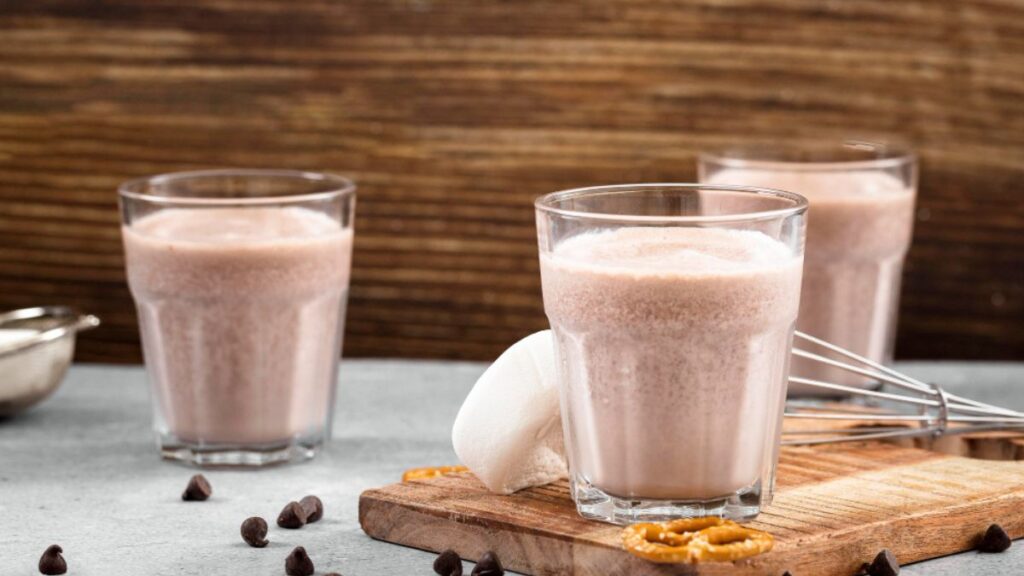
Mix one scoop with water, milk, or almond milk
Shake or blend
2. Smoothies
Add fruits, oats, peanut butter, or yogurt to make nutritious smoothies.
3. Cooking and Baking
You can add protein powder to:
Pancakes
Muffins
Oatmeal
Yogurt
Energy balls
Best Time to Take Whey Protein
There is no magic time, but some moments are beneficial:
1. Post-Workout
Helps muscle recovery and growth
2. Morning
Breaks overnight fasting and boosts metabolism
3. Between Meals
Controls hunger and prevents overeating
4. Before Bed (Optional)
Casein protein is better for nighttime, but whey can still help
Whey Protein for Weight Loss
Whey protein is widely used in weight loss diets because:
It reduces appetite
Increases satiety
Preserves muscle while losing fat
Boosts metabolism
Replacing a high-calorie snack with a protein shake can significantly reduce daily calories.
Whey Protein for Muscle Gain
For muscle building, protein is essential. Combined with resistance training, whey protein helps:
Increase muscle mass
Improve strength
Speed up recovery
Consistency in diet and training matters more than supplements.
Is Whey Protein Safe?
For most people, whey protein is safe when consumed in moderate amounts.
However, excessive intake may cause:
Digestive issues
Kidney strain (in people with pre-existing kidney disease)
Dehydration
Nutrient imbalance if replacing real food
Common Side Effects of Whey Protein
Some people may experience:
Bloating
Gas
Stomach cramps
Diarrhea
These symptoms are often due to lactose intolerance. Switching to whey isolate or plant protein can help.
Whey Protein Myths Debunked
Myth 1: Whey Protein Is Only for Bodybuilders
False. Anyone can benefit, including women, seniors, and busy professionals.
Myth 2: Protein Powder Causes Kidney Damage
False for healthy individuals. Only people with kidney disease should limit protein intake.
Myth 3: Whey Protein Is a Steroid
Completely false. It is just a food-derived protein.
Myth 4: More Protein Means Faster Muscle Growth
Not true. Excess protein does not equal faster results. Balance is key.
Whey Protein vs Plant Protein
Plant-based protein powders include:
Pea protein
Soy protein
Rice protein
Hemp protein
Comparison:
| Feature | Whey Protein | Plant Protein |
|---|---|---|
| Absorption | Fast | Moderate |
| Amino Acid Profile | Complete | Often incomplete |
| Taste | Creamy | Earthy |
| Lactose | Yes (except isolate) | No |
Both are good choices depending on dietary preferences.
Choosing the Best Whey Protein Powder
When buying whey protein, look for:
High protein content per serving
Low sugar and fillers
Third-party testing certifications
Good taste and mixability
Trusted brand
Avoid products with excessive artificial additives.
Protein Powder for Women
Women often worry about gaining bulky muscles. This is a myth. Protein helps women:
Tone muscles
Lose fat
Improve hair and skin
Maintain energy levels
Protein does not make women bulky without intense training and genetics.
Protein Powder for Older Adults
As we age, protein becomes more important. Whey protein helps older adults:
Prevent muscle loss
Maintain mobility
Improve bone health
Recover from illness
Protein and Mental Health
Protein plays a role in producing neurotransmitters like serotonin and dopamine. Adequate protein intake may help:
Improve mood
Reduce fatigue
Enhance cognitive function
Can You Get Too Much Protein?
Yes, excessive protein intake can lead to:
Digestive discomfort
Dehydration
Increased calorie intake
Potential kidney strain (for vulnerable individuals)
Balance is always the key.
How to Calculate Your Protein Intake
Multiply your body weight (kg) by recommended intake (1.6–2.2 g).
Track your food intake using apps or nutrition labels.
Add protein powder if needed.
Whey Protein and Diabetes
Protein can help stabilize blood sugar levels and improve insulin sensitivity. However, diabetics should choose low-sugar protein powders.
Whey Protein and Heart Health
Some studies suggest whey protein may:
Lower blood pressure
Improve cholesterol levels
Reduce inflammation
But it should be part of a balanced diet.
Whey Protein for Vegetarians
Vegetarians who consume dairy can use whey protein easily. Vegans should opt for plant protein powders.
Homemade Protein Shake Recipes
1. Banana Peanut Butter Shake
1 scoop whey protein
1 banana
1 tbsp peanut butter
Milk or water
2. Berry Smoothie
Mixed berries
Yogurt
1 scoop protein
Honey
3. Chocolate Oat Shake
Oats
Cocoa powder
1 scoop chocolate whey
Milk
Protein Powder in Daily Diet: Practical Tips
Use it as a supplement, not a meal replacement
Combine with whole foods
Stay hydrated
Maintain balanced nutrition
Scientific Evidence Behind Whey Protein
Numerous studies show that whey protein:
Enhances muscle protein synthesis
Helps weight management
Improves recovery after exercise
Supports metabolic health
Whey protein is one of the most researched supplements in the world.
Protein Quality: Understanding Biological Value (BV)
Biological Value measures how efficiently your body uses protein.
Whey protein has a very high BV, meaning it is highly bioavailable and effective.
Protein Powder for Busy Lifestyle
For people with busy schedules, protein shakes are:
Quick to prepare
Easy to consume on the go
Portable
Cost-effective
Whey Protein in Sports Nutrition
Athletes rely on whey protein for:
Muscle recovery
Injury prevention
Performance enhancement
Muscle endurance
Is Whey Protein Worth It?
Yes, if:
You struggle to meet daily protein needs
You exercise regularly
You want to lose fat or gain muscle
You have a busy lifestyle
But it’s not mandatory if you already eat enough protein-rich foods.
Frequently Asked Questions (FAQs)
Q1: Can I take whey protein without exercise?
Yes, but exercise maximizes benefits.
Q2: Is whey protein safe for teenagers?
Generally safe in moderate amounts, but whole foods should be the priority.
Q3: Can pregnant women take whey protein?
Consult a doctor first.
Q4: Does whey protein cause acne?
Some people report acne due to dairy sensitivity, but evidence is mixed.
Final Thoughts: Protein and Whey Powder for a Healthy Life
Protein is an essential nutrient that plays a vital role in every part of your body—from muscles and bones to skin and brain function. Whey protein powder is a convenient and effective way to meet your daily protein needs, especially in modern busy lifestyles.
Whether your goal is to lose weight, build muscle, improve health, or simply stay energized, protein and whey powder can be valuable tools when used wisely.
Remember, supplements are meant to supplement, not replace, a healthy and balanced diet. Combine protein intake with regular exercise, adequate sleep, and proper hydration for the best results.