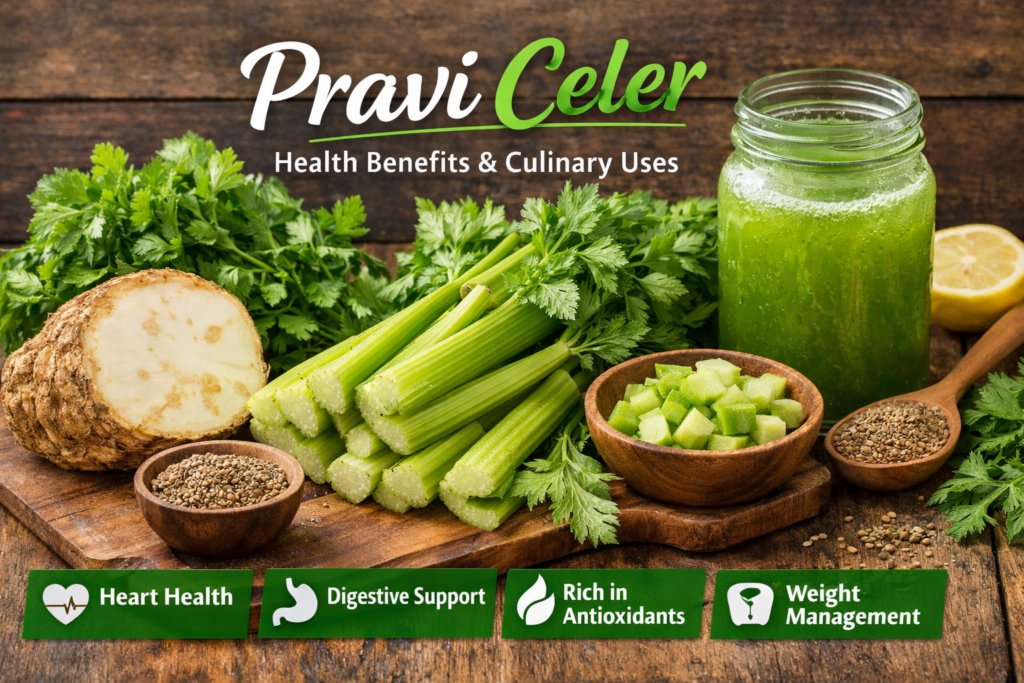
Have you ever grabbed a bunch of celery from the grocery store and thought, “Is this really all celery has to offer?” If so, you’re in for a surprise. Pravi celer, often called “true celery,” takes this everyday vegetable and transforms it into something far richer in flavor, tradition, and nutrition.
Unlike the pale, watery celery commonly found in supermarkets, pravi celer is grown in more traditional ways and often uses the whole plant—stalks, leaves, roots, and even seeds. It’s a throwback to old-world farming and cooking practices, where nothing was wasted and food was valued for both taste and healing properties.
In recent years, health-conscious eaters and home cooks have started rediscovering pravi celer for its bold flavor, impressive nutrient profile, and cultural heritage. Whether you’re exploring whole foods or experimenting with traditional produce, this humble plant might just become a staple in your kitchen.
Quick Highlights: Why Pravi Celer Matters
-
Nutrient-Rich Superfood: Packed with antioxidants, vitamin K, potassium, and fiber
-
Whole-Plant Usability: Stalks, leaves, roots, and seeds are all edible
-
Traditional & Authentic: Grown using heritage methods with less hybridization
-
Health-Friendly: May support heart health, digestion, hydration, and weight management
-
Flavorful: Stronger and more aromatic than standard celery
What Is Pravi Celer?
The term “pravi celer” comes from Slavic languages and translates to “true” or “real celery.” It refers to traditionally grown Apium graveolens, cultivated with minimal modification compared to modern hybrid celery.
Historically, celery has been used for centuries in Mediterranean and Eastern European cultures. Ancient Egyptians used it in rituals, Greeks crowned athletes with celery wreaths, and herbalists relied on it for digestive and joint remedies.
Today’s supermarket celery is bred for uniformity and mild taste. Pravi celer, on the other hand, embraces its natural intensity—darker leaves, thicker stalks, earthy roots, and a bold, herbal aroma.
Many small farms still grow pravi celer using organic or low-intervention methods, which may contribute to higher antioxidant levels and a richer nutrient profile.
Nutritional Profile of Pravi Celer
Pravi celer may look simple, but nutritionally it’s a powerhouse.
One cup of chopped celery provides:
-
Low calories (around 16 per cup)
-
High water content (about 95%)
-
Vitamin K (over 30% of daily value)
-
Vitamin C
-
Potassium
-
Folate
-
Dietary fiber
Antioxidant Compounds
Pravi celer contains flavonoids like luteolin and apigenin, which help fight oxidative stress and inflammation. It also contains phthalides, compounds linked to improved blood vessel function.
The leaves and roots offer additional nutrients such as chlorophyll, manganese, and trace minerals that support metabolism and detoxification.
Top Health Benefits of Pravi Celer
1. Supports Heart Health
Pravi celer is often praised for its potential cardiovascular benefits. Phthalides may help relax blood vessels, improving circulation and potentially lowering blood pressure. Potassium also helps balance sodium levels in the body.
While it’s not a substitute for medical treatment, adding pravi celer to a balanced diet can contribute to heart-friendly nutrition.
2. Promotes Digestive Health
The fiber in pravi celer supports healthy digestion by:
-
Improving bowel regularity
-
Feeding beneficial gut bacteria
-
Reducing bloating and inflammation
Traditional herbal practices have long used celery leaves and seeds for digestive teas and remedies.
3. Helps With Weight Management
Pravi celer is:
-
Low in calories
-
High in water
-
Rich in fiber
This makes it filling without adding many calories. Fiber slows digestion, helping you feel full longer and reducing unnecessary snacking.
4. Boosts Hydration
With nearly 95% water content, pravi celer is excellent for hydration—especially after workouts or during hot weather. Celery juice is popular for replenishing fluids and electrolytes naturally.
5. Antioxidant and Anti-Inflammatory Benefits
Flavonoids in pravi celer help combat free radicals, potentially lowering the risk of chronic diseases. Vitamin K supports bone health, while vitamin C strengthens immunity.
How to Use Pravi Celer in Your Daily Routine
Raw Consumption
-
Chop stalks into salads
-
Pair with apples, carrots, and nuts for crunch
-
Use leaves as a fresh herb garnish
Juicing
Pravi celer juice is popular for hydration and gentle detox. Combine with lemon, ginger, or cucumber for extra flavor.
Cooking Ideas
Soup Base: Simmer stalks, leaves, and roots to create a flavorful broth
Roasted Root (Celeriac): Roast with olive oil and herbs for a hearty side dish
Stir-Fries: Use leaves like herbs for aromatic depth
Mashed Celeriac: A low-carb alternative to mashed potatoes
Whole-Plant Tips
-
Dry leaves for herbal tea
-
Use seeds as a spice in dressings
-
Mash roots for purees or soups
Pravi Celer vs. Conventional Celery
| Feature | Pravi Celer (Traditional) | Conventional Celery |
|---|---|---|
| Flavor | Strong, aromatic, slightly bitter | Mild and watery |
| Nutrient Density | Potentially higher antioxidants | Standard nutrients |
| Usable Parts | Stalks, leaves, roots, seeds | Mostly stalks |
| Growing Method | Traditional/organic | Hybridized, commercial |
| Cultural Value | Heritage crop | Mass-produced |
| Pros | Authentic, versatile | Easy to find |
| Cons | Harder to source | Often treated with pesticides |
Potential Drawbacks
While pravi celer is generally safe, there are a few considerations:
-
Bitter taste: Some people may need time to adjust
-
Digestive sensitivity: High fiber can cause bloating if eaten in excess
-
Allergies: Rare but possible
-
Pesticides: Choose organic whenever possible
Frequently Asked Questions
What are the main heart benefits of pravi celer?
It may help lower blood pressure and improve circulation thanks to potassium and phthalides.
How can I cook with pravi celer daily?
Use it in soups, salads, juices, stir-fries, and mashed root dishes.
Is celery juice a detox miracle?
It supports hydration and digestion, but it’s not a cure-all.
Is pravi celer more nutritious than regular celery?
Traditional varieties may contain more antioxidants, especially when grown organically.
What’s the difference between pravi celer and wild celery?
Pravi celer is cultivated traditionally; wild celery is untamed and more pungent.
How much pravi celer should I eat daily?
2–4 stalks or equivalent servings, depending on your diet and tolerance.
Does it help with weight loss?
It can support weight management when combined with healthy eating and exercise.
Final Thoughts
Pravi celer is more than just a vegetable—it’s a connection to traditional food culture and natural nutrition. With its bold flavor, impressive health benefits, and whole-plant versatility, it’s easy to see why it’s gaining popularity among wellness enthusiasts and home cooks.
Whether you sip it as juice, roast the root, or toss the stalks into a salad, pravi celer brings both history and health to your plate. Next time you’re at a farmer’s market, keep an eye out—you might just discover your new favorite superfood.