
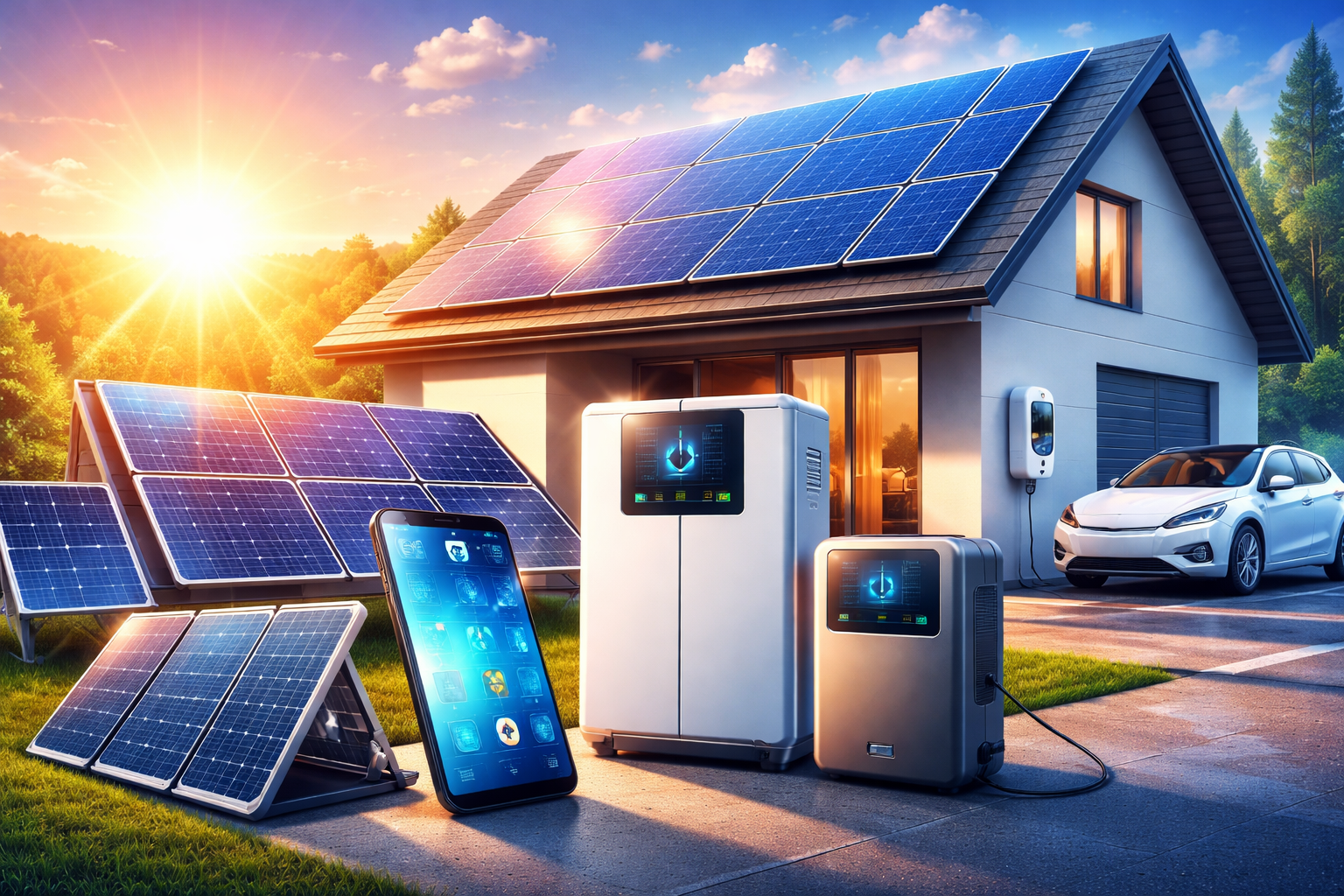
When we hear the term solar system, most of us think of the sun, planets, and space. But in today’s tech-driven world, the phrase has taken on a new meaning. A solar system is now one of the most powerful gadgets you can own—turning sunlight into electricity, powering homes, gadgets, and even vehicles.
In an era where smart homes, wearable devices, and AI gadgets dominate headlines, solar technology stands quietly as one of the most impactful innovations of the 21st century. It’s not just an eco-friendly option—it’s a smart, futuristic gadget that reshapes how we use energy.
In this guide, we’ll explore what a solar system is, how it works, why it’s a must-have gadget, and how it’s transforming modern technology.
What Is a Solar System in Gadget Terms?
A solar system in technology refers to a setup that converts sunlight into usable electrical energy. It typically includes:
-
Solar panels
-
Inverter
-
Battery storage system
-
Charge controller
-
Smart monitoring devices
Think of it as a giant smart gadget installed on your rooftop, continuously generating electricity without needing fuel.
Unlike traditional gadgets that consume power, a solar system produces power. That alone makes it one of the smartest gadgets ever invented.
How a Solar System Works (Simple Gadget Breakdown)
Understanding solar technology doesn’t require an engineering degree. Let’s break it down like a gadget enthusiast would.
1. Solar Panels – The Energy Collectors
Solar panels are made of photovoltaic (PV) cells. These cells absorb sunlight and convert it into DC (direct current) electricity.
In gadget terms, solar panels are like a massive wireless charger for your entire house.
2. Inverter – The Smart Power Converter
Most gadgets and homes use AC (alternating current) electricity. The inverter converts DC power from solar panels into AC power.
Think of the inverter as a translator between the sun and your devices.
3. Batteries – The Power Bank of the Future
Solar batteries store extra energy generated during the day so you can use it at night.
They are basically giant power banks for your home, similar to the power bank you carry for your smartphone.
4. Charge Controller – The Smart Protector
This gadget prevents overcharging and protects batteries from damage.
It works like a built-in AI safety system for your solar gadget ecosystem.
5. Smart Monitoring System – The App-Controlled Feature
Modern solar systems come with apps that let you monitor:
-
Power generation
-
Battery status
-
Energy consumption
-
System health
This makes solar systems part of the smart home gadget ecosystem.
Why Solar Systems Are Considered Modern Gadgets
Most people think of gadgets as phones, laptops, or smartwatches. But solar systems are macro gadgets—large-scale tech devices that transform how we live.
Here’s why solar systems qualify as futuristic gadgets:
1. Smart Automation
Solar systems operate automatically. No manual switching, no fuel, no human input.
2. AI Integration
Advanced solar inverters use AI to optimize energy flow and battery usage.
3. IoT Connectivity
You can control and monitor solar systems through mobile apps and cloud platforms.
4. Modular Upgradeability
You can add more panels, batteries, or smart features just like upgrading a gadget.
Types of Solar Systems (Tech Gadget Perspective)
1. On-Grid Solar System
This system connects to the national power grid. Excess electricity is sent to the grid, and you get credits.
Best for: Smart cities and urban homes.
2. Off-Grid Solar System
Completely independent of the grid. Perfect for remote areas, camping gadgets, and smart cabins.
Best for: Rural tech enthusiasts and survival gadget lovers.
3. Hybrid Solar System
Combines solar panels, batteries, and grid power. It’s the flagship gadget model of solar systems.
Best for: Smart homes and tech-savvy users.
Solar Systems as Smart Home Gadgets
Solar systems are no longer just power generators. They integrate with smart home ecosystems like:
-
Smart thermostats
-
Smart lighting systems
-
Smart EV chargers
-
Smart home assistants
Imagine telling your smart assistant:
“Alexa, how much solar power did we generate today?”
That’s futuristic gadget living.
Solar Systems and Modern Gadgets: Perfect Pairing
Solar systems power a wide range of modern gadgets, including:
-
Smartphones
-
Laptops
-
Smart TVs
-
Gaming consoles
-
Smart speakers
-
Security cameras
-
IoT devices
They also power electric vehicles (EVs), turning your home into a mini charging station.
Solar Gadgets You Can Buy Today
Solar technology isn’t limited to rooftop panels. There are countless solar-powered gadgets available:
1. Solar Power Banks
Charge your phone anywhere using sunlight.
2. Solar Smartwatches
Use solar cells to extend battery life.
3. Solar Bluetooth Speakers
Perfect for outdoor parties and travel.
4. Solar Cameras
Security cameras that don’t need wiring.
5. Solar Backpacks
Charge devices while walking or hiking.
The Future of Solar Systems in Gadget Technology
Solar technology is evolving rapidly. Here are some futuristic innovations:
1. Transparent Solar Panels
Windows that generate electricity while letting light pass through.
2. Solar Roof Tiles
Aesthetic tiles that replace traditional panels.
3. Flexible Solar Sheets
Rollable solar gadgets for portable energy.
4. Solar-Powered Smart Cities
Entire cities powered by integrated solar tech.
Advantages of Solar Systems as Gadgets
1. Unlimited Energy Source
The sun is free and abundant.
2. Eco-Friendly
No pollution, no emissions, no noise.
3. Cost Savings
Reduce electricity bills drastically.
4. Energy Independence
No reliance on power outages or grids.
5. Smart Tech Integration
Works seamlessly with modern smart gadgets.
Disadvantages of Solar Systems
Even the best gadgets have drawbacks:
1. High Initial Cost
Solar systems require upfront investment.
2. Weather Dependency
Less power generation on cloudy days.
3. Space Requirement
Panels need roof or land space.
4. Battery Lifespan
Batteries degrade over time and need replacement.
Solar Systems vs Traditional Power: Gadget Comparison
| Feature | Solar System | Traditional Electricity |
|---|---|---|
| Cost Over Time | Low | High |
| Environmental Impact | Minimal | High |
| Smart Integration | Yes | Limited |
| Portability | Possible | No |
| Renewable | Yes | No |
Solar Systems and Electric Vehicles (EVs)
One of the coolest tech trends is solar-powered EV charging. Imagine driving your car using sunlight from your rooftop.
Some futuristic vehicles even have built-in solar panels.
This combination is often called the ultimate green gadget ecosystem.
Solar Systems in Space Tech and Gadgets
Solar systems are not just for Earth. Satellites, space stations, and Mars rovers use solar panels.
NASA relies heavily on solar gadgets to power spacecraft.
If solar works in space, it can definitely power your gadgets on Earth.
Solar Systems for Gamers and Tech Enthusiasts
Gamers and tech creators use solar systems to:
-
Power gaming PCs
-
Run streaming setups
-
Avoid power outages during live streams
-
Reduce electricity bills
Imagine gaming with sun-powered electricity—a dream for eco-conscious tech enthusiasts.
Portable Solar Systems: Gadgets for Travelers
Portable solar kits are popular among:
-
Campers
-
Travelers
-
Digital nomads
-
Military and emergency teams
These systems can power:
-
Phones
-
Laptops
-
Mini fridges
-
Drones
-
Cameras
They are the ultimate survival gadgets.
Solar Systems and Drones (Tech Enthusiast Bonus)
Solar-powered drones are emerging in research and defense. Some drones can stay airborne for months using solar energy.
For drone researchers and engineers, solar systems represent the future of autonomous tech.
How to Choose the Best Solar System Gadget
When buying a solar system, consider:
1. Power Requirements
Calculate how much electricity your gadgets and home need.
2. Panel Efficiency
Higher efficiency means more power in less space.
3. Battery Type
Lithium-ion batteries are modern and efficient.
4. Smart Features
Look for app monitoring and AI-based optimization.
5. Warranty and Support
Solar panels last 20–25 years, so choose reliable brands.
Solar System Brands to Watch
Some popular global solar gadget brands include:
-
Tesla Solar
-
LG Solar
-
Panasonic
-
Canadian Solar
-
SunPower
Local and regional brands are also growing rapidly, especially in Asia and the Middle East.
Cost of Solar Systems in 2026
Solar system costs vary depending on size and features:
-
Small home system: $1,000–$3,000
-
Medium home system: $5,000–$10,000
-
Large commercial system: $20,000+
Prices are decreasing every year, making solar a mainstream gadget investment.
Solar Systems and Artificial Intelligence
AI-powered solar systems can:
-
Predict energy consumption
-
Optimize battery usage
-
Detect faults automatically
-
Improve panel efficiency
This turns solar systems into self-learning gadgets.
Solar Systems in Smart Cities
Future smart cities will use solar systems integrated with:
-
Smart grids
-
AI traffic systems
-
IoT streetlights
-
Smart homes
Solar energy will be the backbone of urban gadget ecosystems.
Solar System Maintenance: Is It Difficult?
Solar systems require minimal maintenance:
-
Clean panels every 3–6 months
-
Check battery health
-
Monitor inverter performance
Compared to other gadgets, solar systems are low-maintenance tech investments.
Myths About Solar Systems
Myth 1: Solar Doesn’t Work in Winter
Solar panels work in cold climates too.
Myth 2: Solar Is Too Expensive
Prices are dropping, and long-term savings are huge.
Myth 3: Solar Systems Require Constant Maintenance
They are mostly maintenance-free.
Solar Systems and the Future of Gadgets
Solar technology is shaping future gadgets such as:
-
Solar-powered smartphones
-
Solar laptops
-
Solar smart homes
-
Solar IoT devices
-
Solar autonomous robots
The future gadget ecosystem will rely heavily on solar power.
Why Solar Systems Are the Ultimate Gadget Investment
Unlike phones or laptops that become outdated in a few years, solar systems last decades. They provide continuous benefits and improve your lifestyle.
Solar systems are:
-
Financial investments
-
Environmental solutions
-
Smart technology upgrades
-
Future-proof gadgets
Conclusion: Solar Systems Are More Than Just Power Devices
The solar system is no longer just an astronomical term—it is one of the most revolutionary gadgets humanity has created. From powering smartphones and smart homes to enabling electric vehicles and smart cities, solar technology is at the heart of the modern tech revolution.
If you’re a gadget enthusiast, investing in solar technology is like upgrading to the next generation of living. It’s smart, sustainable, futuristic, and incredibly powerful.
As technology evolves, solar systems will become smaller, smarter, cheaper, and more integrated with everyday gadgets. The future is solar-powered—and it’s already here.